
In Rajasthan, jewelry is more than ornamentation — it’s identity, status, protection, and poetry.
A single piece can tell you where a woman comes from, her marital status, her clan, and sometimes even her story.
From the golden borla glinting on a bride’s forehead to the grand aad resting over her heart, every ornament in Rajasthan carries centuries of craftsmanship and cultural meaning.
Let’s explore the stunning world of Rajasthani jewelry — piece by piece — and understand what makes it timeless.
1. The Borla – A Queen’s Crown in Miniature 👑
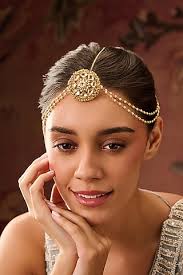
If you’ve seen any Marwari bride, you’ve seen the borla — that round, domed ornament worn on the center parting of the hair. Unlike the flat maang tikka seen elsewhere in India, the borla has a spherical shape, often crafted in gold, silver, or kundan work.
Traditionally worn by Rajput and Marwari women, the borla symbolizes purity, prosperity, and protection. The small pendant rests right on the forehead — believed to safeguard the wearer’s “ajna chakra,” the seat of intuition.
In many regions, the borla is accompanied by rakhdi — a smaller circular pendant worn slightly higher on the hairline. Together, they frame the face beautifully, adding both grace and authority.
💬 Fun fact: The borla gained international fame when Bollywood revived it in period films like Padmaavat and Jodhaa Akbar, inspiring modern brides to blend royal aesthetics with contemporary looks.
2. The Aad – The Pride of the Marwari Bride 💛
The Aad, also known as Timaniya, is perhaps the most iconic piece of Marwari jewelry. It’s a broad, rectangular choker necklace, traditionally made of gold and encrusted with precious or semi-precious stones.
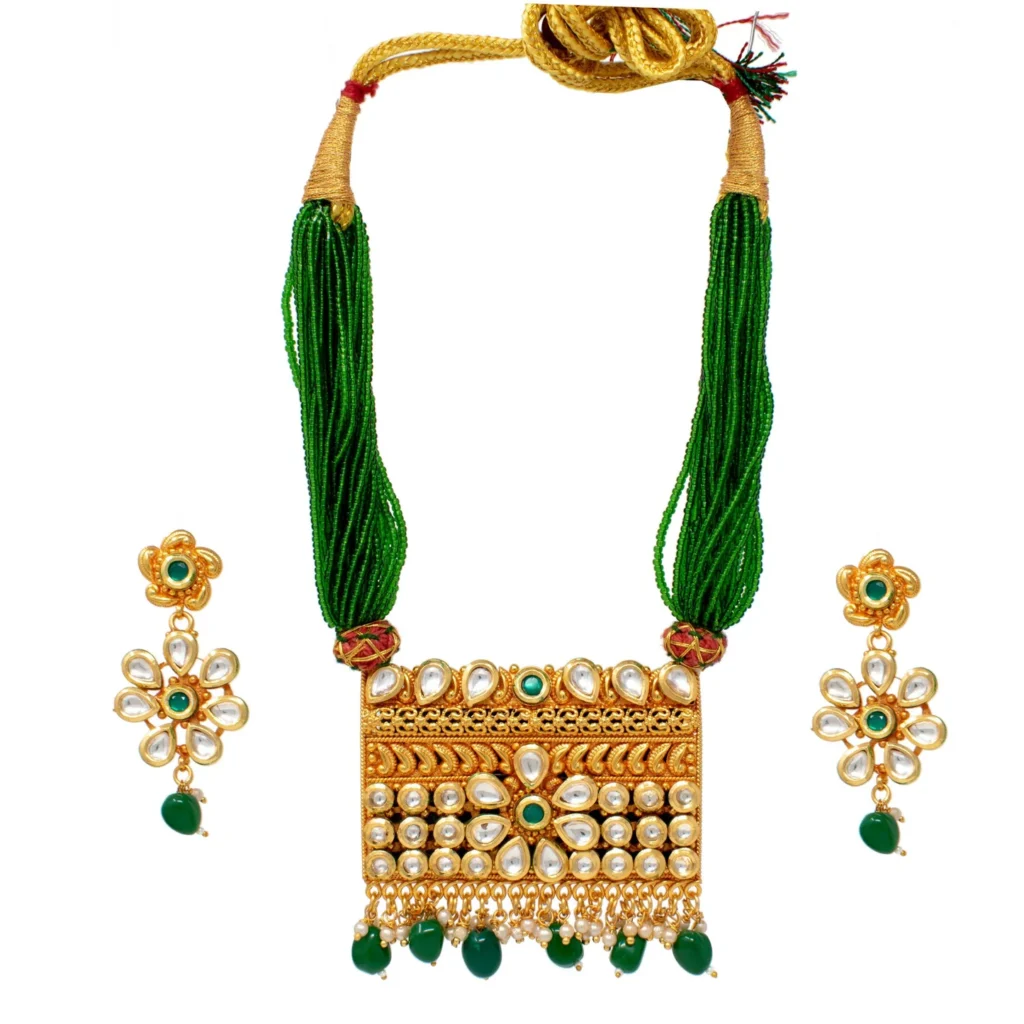
What makes the aad special is its shape and story — flat plaques connected by delicate chains, resting high on the neck. It’s often gifted to a bride by her in-laws during the wedding, symbolizing acceptance and family honor.
The aad’s design varies slightly across regions:
- In Marwar (Jodhpur, Barmer), it’s bold and geometric.
- In Mewar (Udaipur), it features intricate meenakari work.
- In Shekhawati, silver variants are still popular among rural communities.
✨ “Aad” comes from the word meaning base — the foundation. In Marwari tradition, it represents the solid base of a woman’s new life.
3. Nath – The Circle of Tradition 🌙
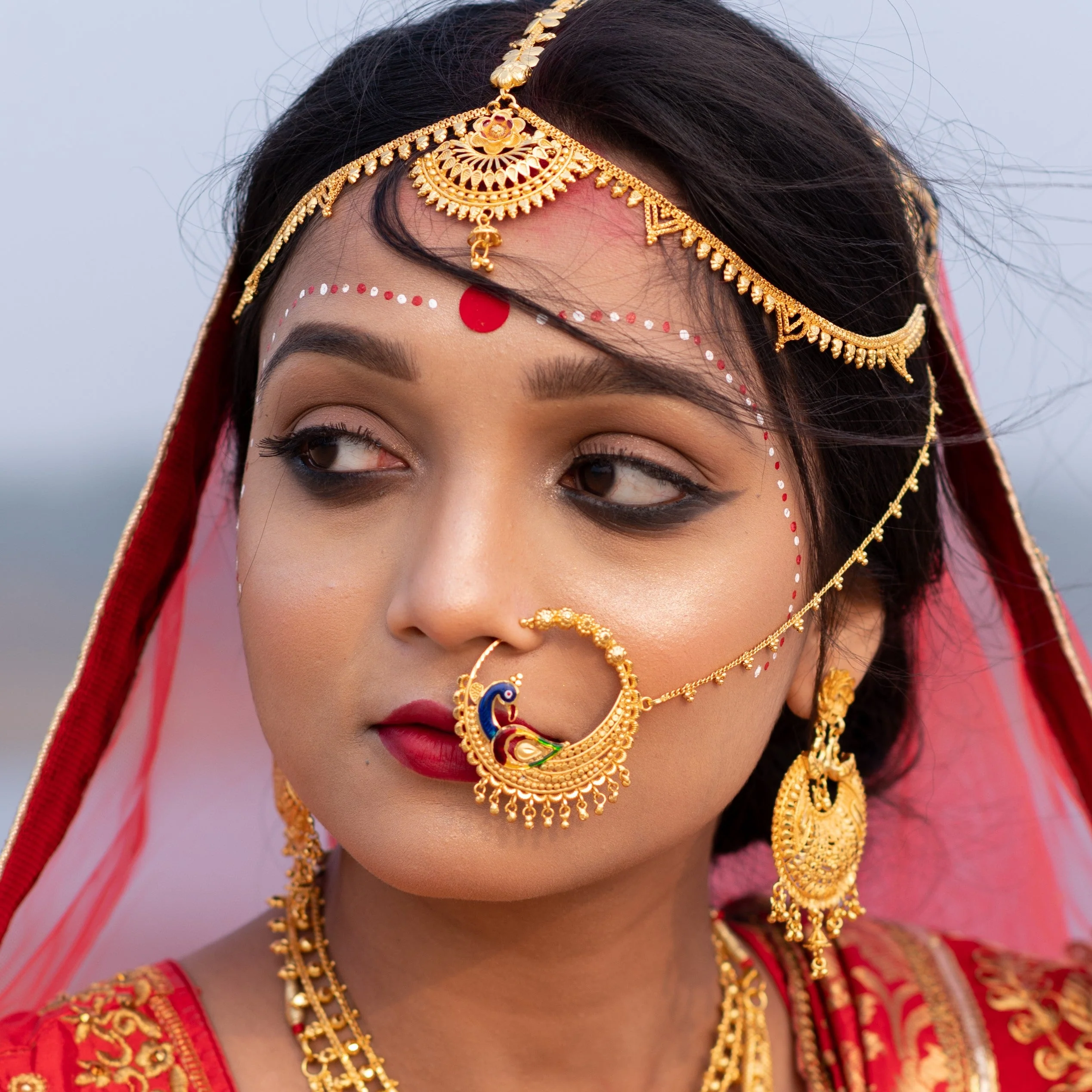
The nath — a nose ring, sometimes large and circular, sometimes delicate — is another defining piece of Rajasthani bridal jewelry.
In Rajasthan, a nath isn’t just decorative; it marks womanhood and respect. Many rural brides wear a large gold hoop with pearls or gemstones. The style varies:
- Marwar prefers bold gold hoops.
- Mewar favors smaller, gem-studded naths.
- Shekhawati often pairs the nath with an attached chain to the ear.
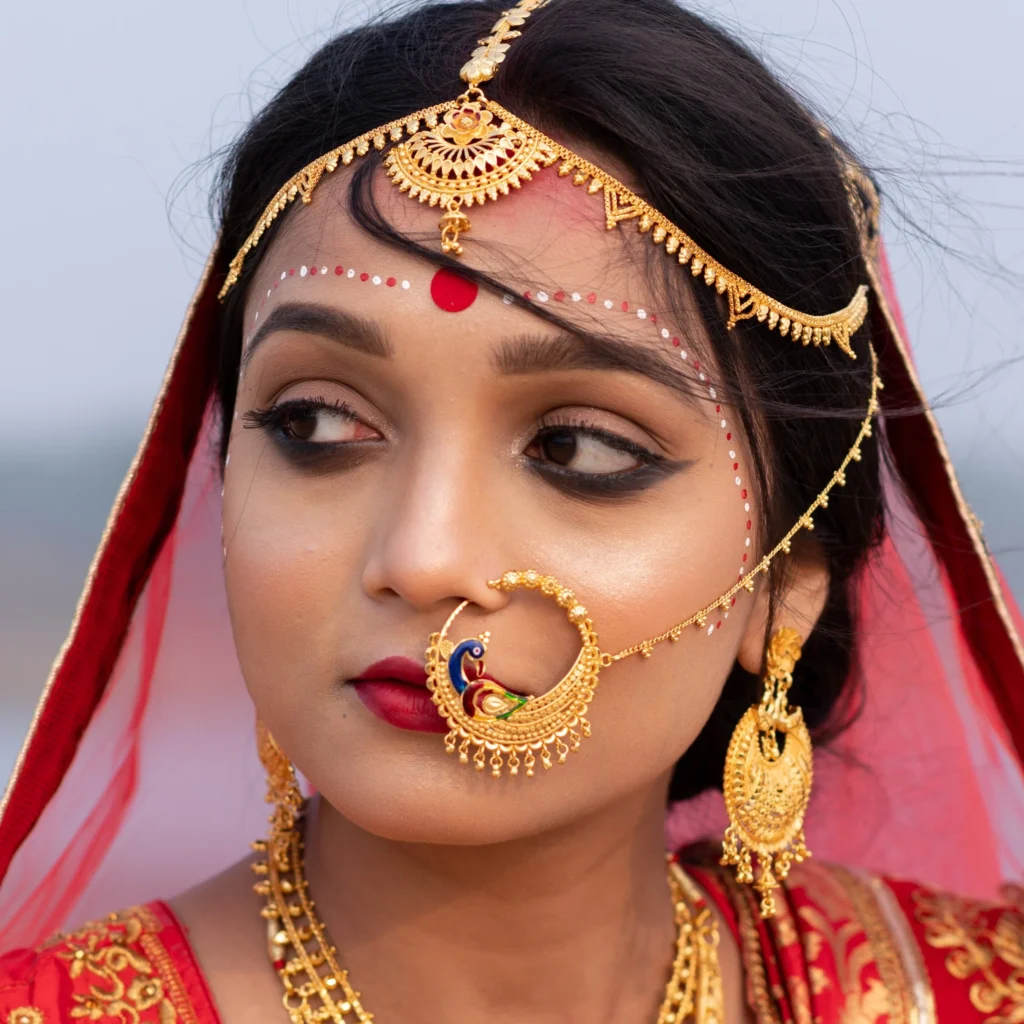
Wearing the nath is considered auspicious — a way to honor Goddess Parvati and invoke her blessings for a happy married life.
💬 Fun note: Many Rajasthani women wear smaller everyday versions, sometimes called nathni or phooli, even when not married.
4. Bajuband – The Arm’s Guard of Grace 💪
The bajuband, or armlet, is worn on the upper arm by both men and women in Rajasthan. Traditionally made of silver or gold and sometimes studded with semi-precious stones, it combines beauty and symbolism.
In old Marwari households, a bajuband was believed to ward off evil spirits and protect strength — both physical and emotional. Women wore floral designs; men often chose more angular or engraved ones.
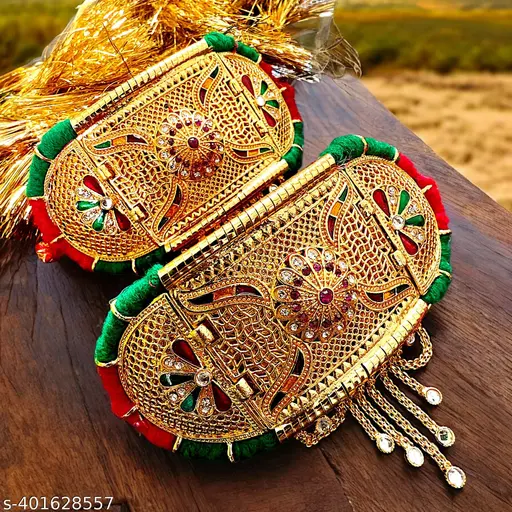
Today, bajubands are making a comeback as wedding jewelry — paired with sleeveless blouses or Indo-fusion gowns.
5. Kada and Bangadi – The Stories in Silver
No Rajasthani outfit is complete without the clinking sound of bangles.
Kada, chooda, and bangadi are terms used for different types of bracelets and bangles. In villages, women often wear heavy silver kadas (broad bangles) — sometimes so large they’re worn permanently.
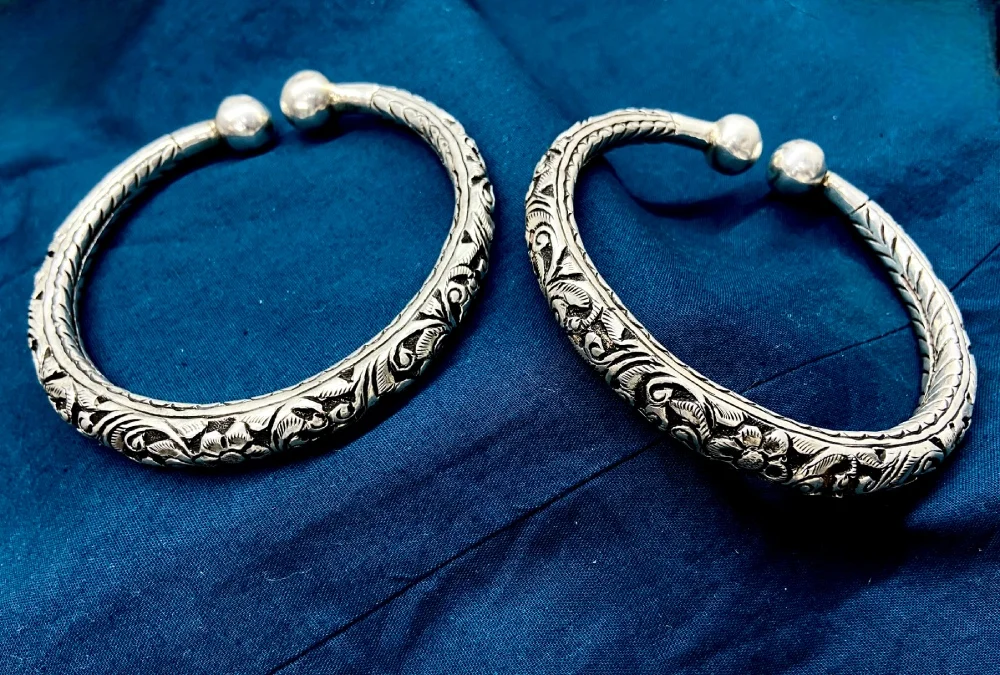
- Gold kadas with meenakari designs are common among Marwari brides.
- Ivory chooda (white bangles) symbolizes purity and new beginnings.
- Lac bangles, colorful and glossy, are made in Jaipur and Jodhpur — a vibrant handicraft passed down for generations.
🎨 Did you know? The art of making lac bangles is a 400-year-old craft still practiced in Rajasthan’s Maniharon Ka Rasta in Jaipur.
6. Kamarbandh – The Belt of Elegance
The kamarbandh (waist belt) isn’t just ornamental — it once had a practical purpose too. It helped secure the ghagra (skirt) and added grace to a woman’s silhouette.
In royal households, kamarbandhs were intricately carved gold chains with hanging bells, pearls, or coins. They represented feminine energy — often gifted to brides as a blessing for fertility and strength.
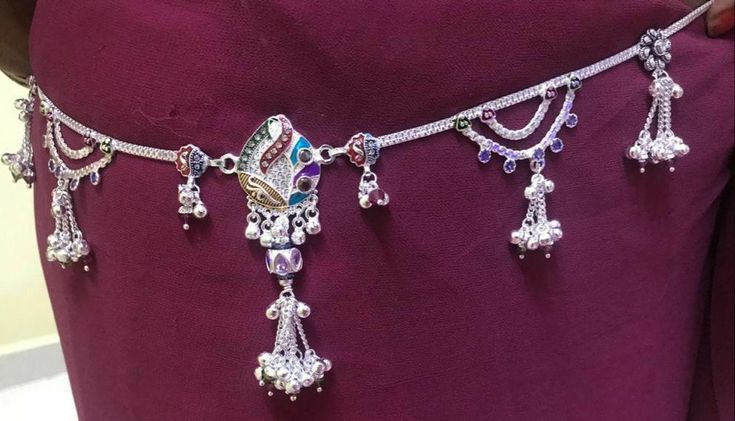
Modern fashion has revived this piece — stylists now pair Rajasthani-style kamarbandhs with sarees, lehengas, and even Indo-western gowns.
7. Payal and Toe Rings – The Sound of Every Step 👣
Every Rajasthani courtyard knows the gentle chhan-chhan of anklets.
Payal (anklets) and bichhiya (toe rings) hold deep meaning — they signify marital status and connection to the earth. Traditionally made of silver, never gold (since gold is sacred to gods), they carry tiny bells that produce a musical rhythm as the wearer walks.
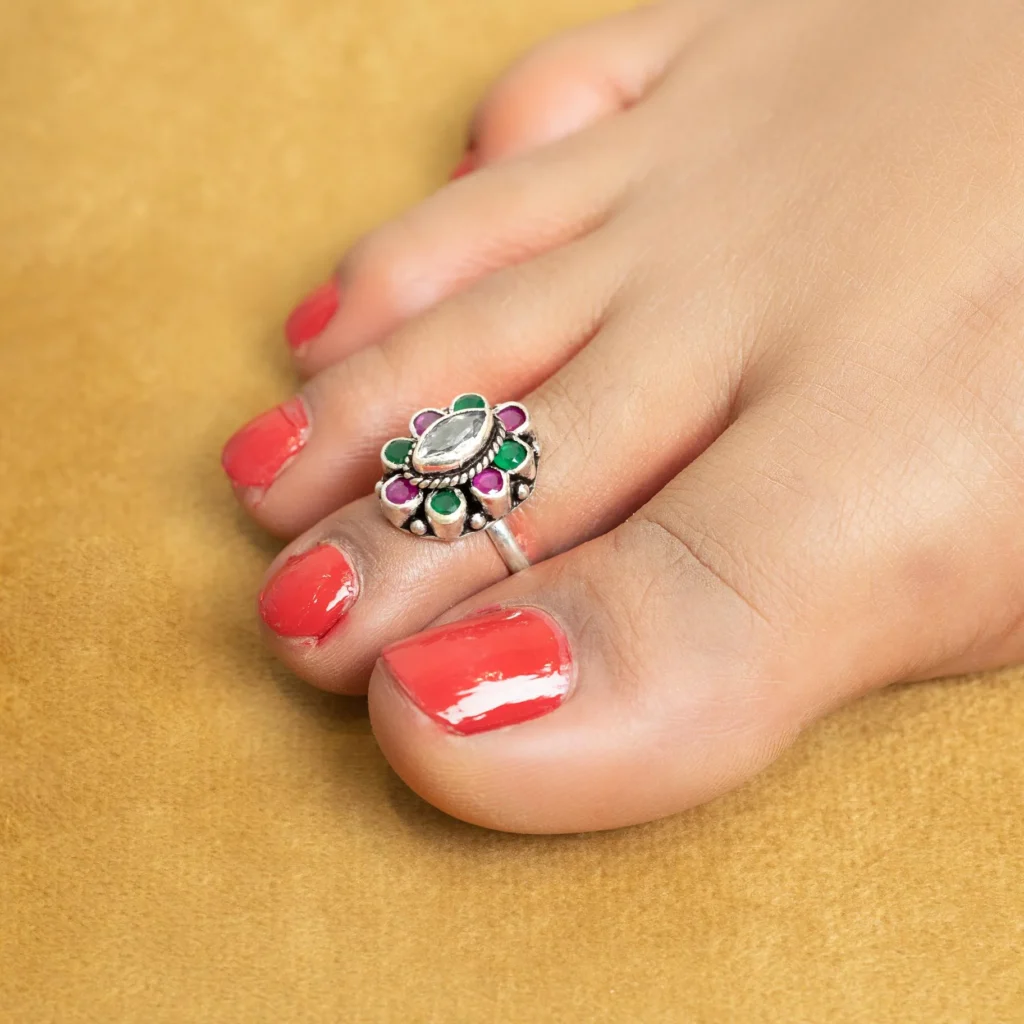
In Rajasthani folklore, the sound of payal is said to bring prosperity and ward off negativity from the home.
💬 Folklore says: “A woman’s anklets announce her presence before her words do.”
8. Rakhdi, Bindi, and Earrings – Everyday Elegance
While bridal pieces take center stage, daily wear jewelry in Rajasthan has its own charm.
- Rakhdi — smaller head ornaments, often paired with borla.
- Jhumar or Champakali — earrings shaped like flowers or buds.
- Bindi — in rural Marwar, made of natural vermilion or black kajal, signifying energy and devotion.
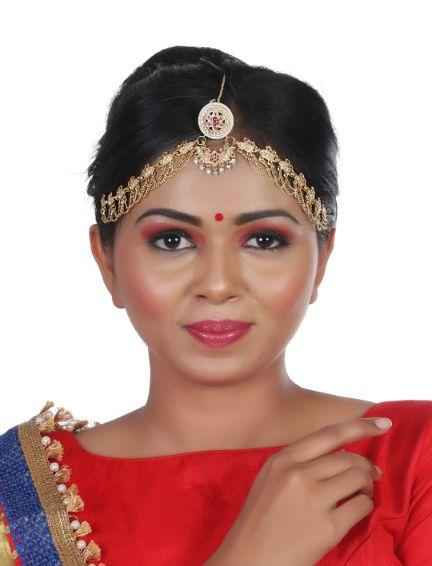
Even the simplest pieces carry layers of history — from local goldsmiths’ techniques to regional symbolism.
The Craftsmanship: From Jaipur to Jaisalmer
Rajasthan’s jewelry art is as diverse as its geography:
- Jaipur is world-famous for kundan and meenakari work — intricate enamel detailing on gold.
- Jodhpur specializes in thewa (gold work fused on glass).
- Udaipur artisans excel at silver filigree and tribal jewelry.
- Barmer and Bikaner preserve rustic silver forms, often passed down generations.
Each region’s technique tells a story — of royals, artisans, and desert survival.
Jewelry Beyond Beauty: The Cultural Connection
In Rajasthan, jewelry is emotional currency. It’s passed from mother to daughter, from sasuma to bahu. It holds blessings, memories, and legacy.
Every piece has a purpose — not just to decorate but to define. It’s why a Marwari bride doesn’t just wear ornaments; she wears history.
As elders say, “सोना चांदी की बात नहीं, संस्कार की बात है।”
It’s not about gold or silver, it’s about tradition and pride.

